
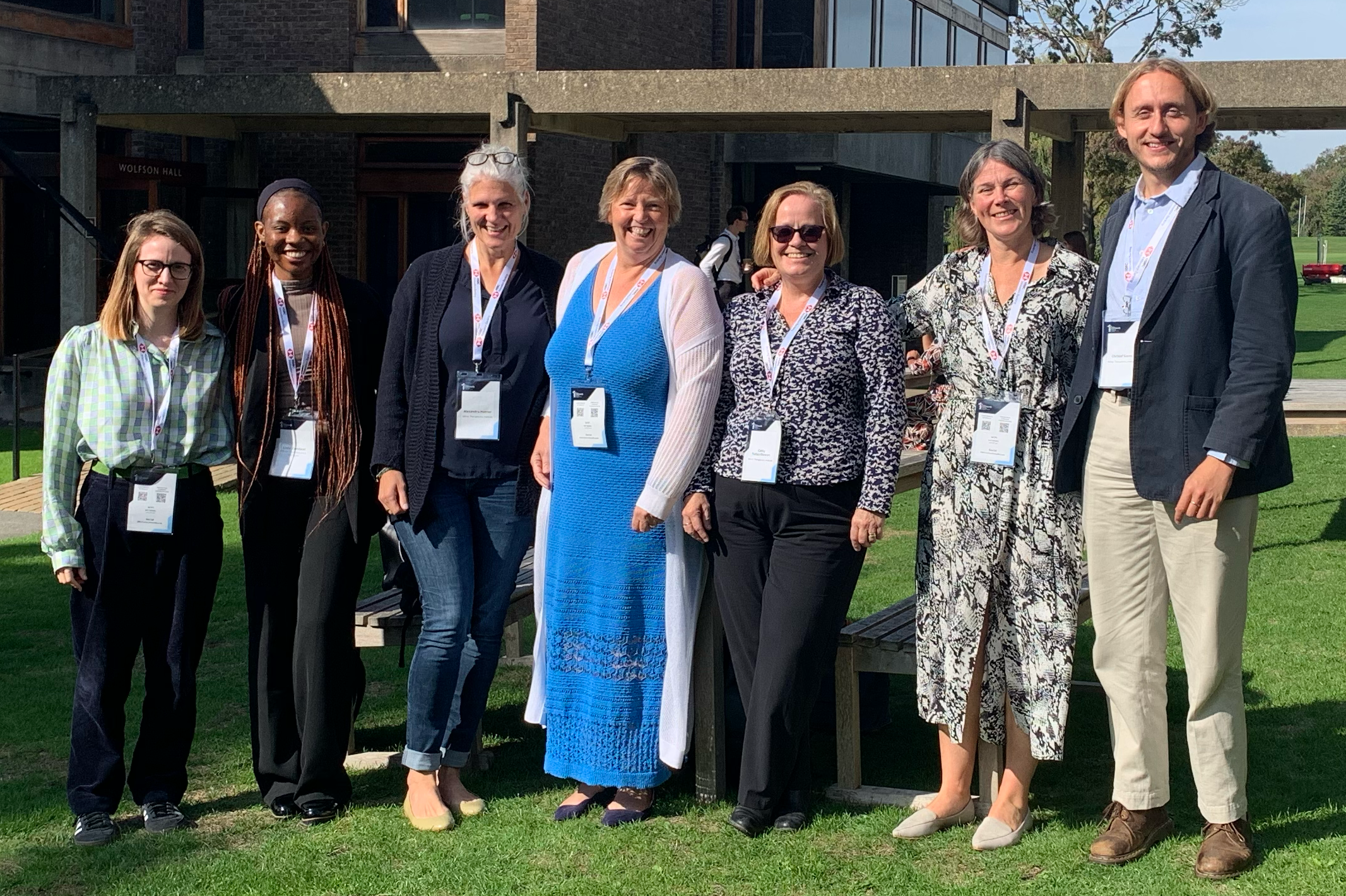
 The Milner Institute was proud to take part in BioCentury’s Grand Rounds Europe conference in Cambridge this month. Over three days of keynotes, fireside chats, panel discussions and networking sessions, Grand Rounds fostered meaningful dialogue, inspired new ideas, and laid the foundations for potential collaborations.
With an impressive mix of key research topics, insights into the UK ecosystem, and reflections on the importance of collaboration, Grand Rounds covered topics across all three of the Milner Institute’s strategic pillars – research, enterprise and partnerships – making it one of the most significant events in our 2025 calendar.
The scientific programme featured outstanding keynotes and panels across priority research areas, and it was fantastic to see former Symposium speakers take the stage: Professor Sir Steve Jackson shared his entrepreneurial journey and pioneering work on DNA repair, including Olaparib – the first approved DNA repair drug and a landmark example of synthetic lethality in oncology. Professor Sarah Teichmann presented on the application of single-cell analyses to map thymus evolution during ageing, tying into broader discussions on ageing as a driver of disease and the challenge of restoring muscle, immune, and cognitive function. Professor Sir Stephen O’Rahilly joined a panel exploring challenges around obesity as a neurological disease, and the importance of evaluating not just weight loss, but the quality of weight loss achieved with therapeutics.
Beyond biology, frontier technologies also featured prominently. The panel on quantum computing generated lively debate on how the industry can prepare for this leap, build quantum-ready teams, and identify the most relevant applications for drug discovery. Foundational AI models were another major theme, with speakers stressing the cultural changes required to build trust and fully embrace their potential.
As well as companies from our bio-incubator and affiliated network, Grand Rounds welcomed representatives from our Consortium partners. Shaun Grady of AstraZeneca emphasised the strength of the UK’s early basic research and academic talent, while Michelle Jones highlighted Astex’s 25-year history in Cambridge during a final podcast session, offering a special mention of the Milner Institute and highlighting the importance of partnerships between academia and industry. One of our newest partners – Flagship Pioneering – was also represented, with John Lepore (Profound Therapeutics) and Peter Campbell (Quotient Therapeutics) both contributing as panel speakers across the three days.
Grand Rounds also provided an excellent platform for start-ups – including Milner incubator companies Immutrin and TRIMTECH Therapeutics – to showcase their innovations. Alongside opportunities to present, entrepreneurs received valuable advice on securing deals with pharma: from building trust and clarity of purpose, to finding the right internal champion, planning interactions around milestones, and recognising the essential role young companies play in the broader ecosystem. There were ample opportunities for 1:1 discussion with pharma companies, venture capital firms, and networking with colleagues from outside the Cambridge ecosystem.
It was uplifting to be part of such a celebration of the UK biotech ecosystem, particularly in light of recent UK-budget investment cuts by pharma and ongoing government discussions. Lord Patrick Vallance emphasised his strong belief in the UK’s strengths as a global hub for biotech, while several speakers highlighted the importance of international collaboration and the free flow of global talent.
A huge thank you to BioCentury Inc and the Cambridge Host Committee for creating such an engaging and thought-provoking event in Cambridge. We look forward to continuing the conversations.

The quality of dialogue across disciplines at Grand Rounds in Cambridge was impressive. It was energising to see scientists, investors, and policymakers coming together to address how to bridge the translational gap and make cutting-edge research investible. For me, the big takeaway was the importance of our ecosystems – if we want to accelerate therapies for patients, we need to keep breaking down barriers between academia and industry.