
Researchers, entrepreneurs, investors and global pharmaceutical leaders gathered in Cambridge this week as the Milner Therapeutics Institute hosted its annual Pitch Day and 11th annual Therapeutics Symposium.
Held over two consecutive days, these flagship events brought together academic researchers, emerging biotechnology companies, members of the Milner Therapeutics Consortium, investors and research translation organisations, highlighting Cambridge’s position at the forefront of life sciences innovation. The events reflected the Milner Therapeutics Institute’s unique model of connecting discovery science with biotechnology, pharma and investment to accelerate the translation of research into new medicines.
Milner Pitch Day
Showcasing some of the most exciting early-stage life science companies emerging from the Milner ecosystem, entrepreneurs from companies including Elastin Biosciences, Stick Therapeutics, Monument Therapeutics, Link Biologics, Variomis, MetaImmune, TileBio and Mechanome Bio presented cutting-edge technologies spanning therapeutics, oncology, genomics, AI-enabled drug discovery, regenerative medicine and healthy ageing.
Across five pitching sessions, companies delivered concise, investor-focused presentations followed by Q&A to an audience that included many investors from across the life sciences. A dedicated milestone pitch session also gave a platform to companies making significant progress since joining the Milner community, including Avatrial, OneCarbon (transitioning from Healthspan Biotics), BASE Rx, Immutrin, clock.health and Creasallis, demonstrating the strength of the Institute’s support for ventures as they grow and mature.
Milner Therapeutics Symposium
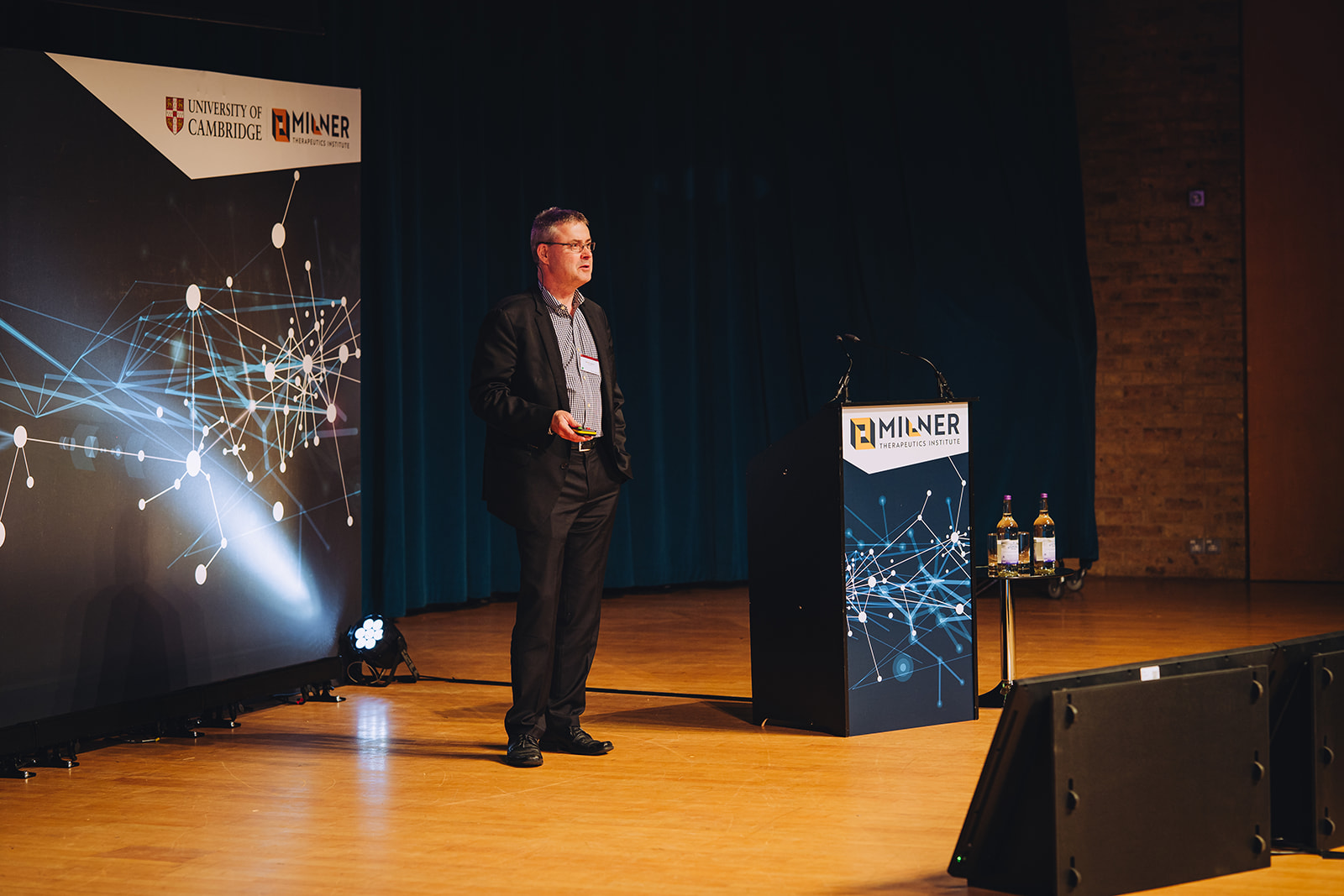
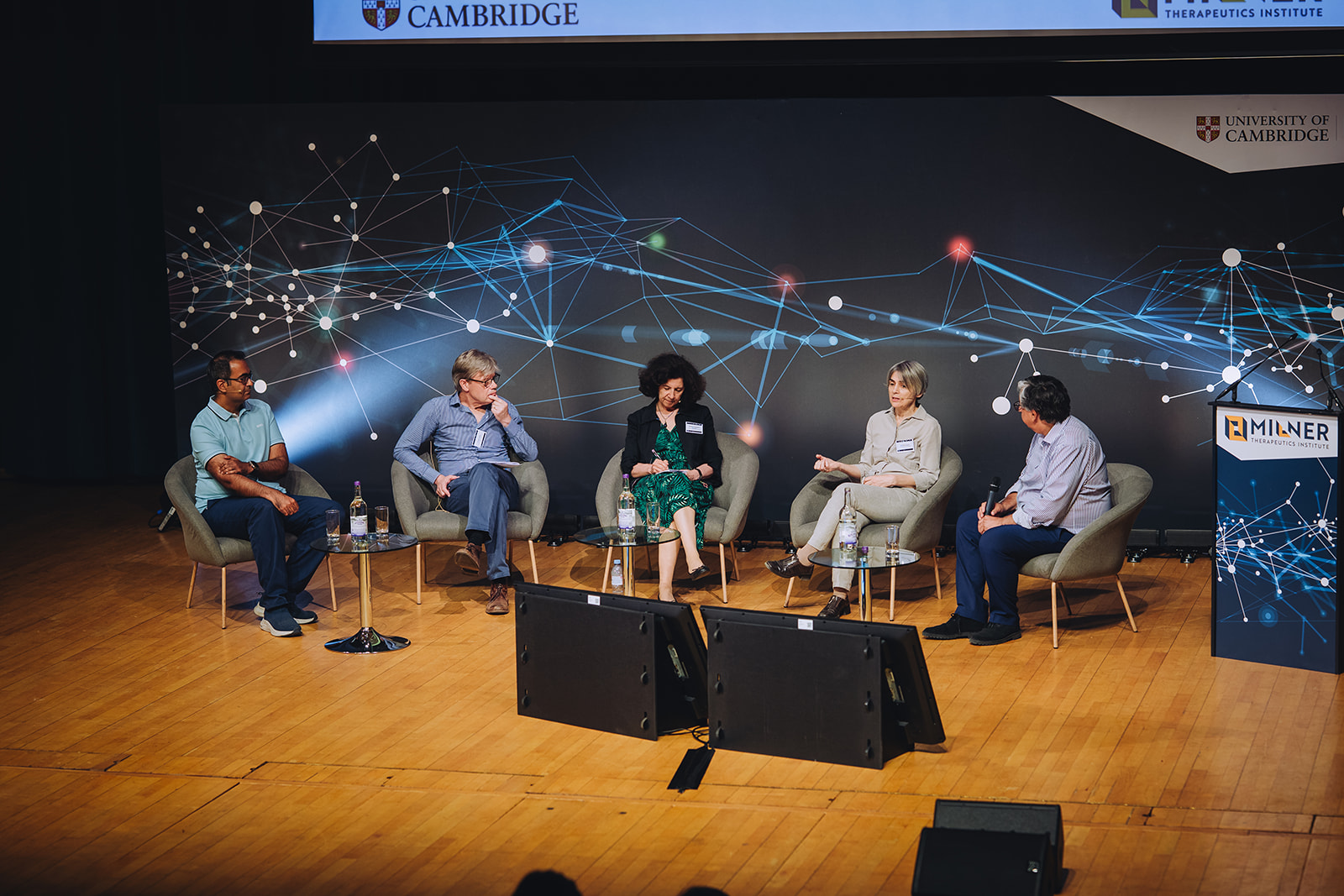
The following day, the annual Milner Therapeutics Symposium explored the future of translational science through keynote presentations, spotlight talks and a panel discussion, featuring leaders from academia, biotechnology and the pharmaceutical industry.
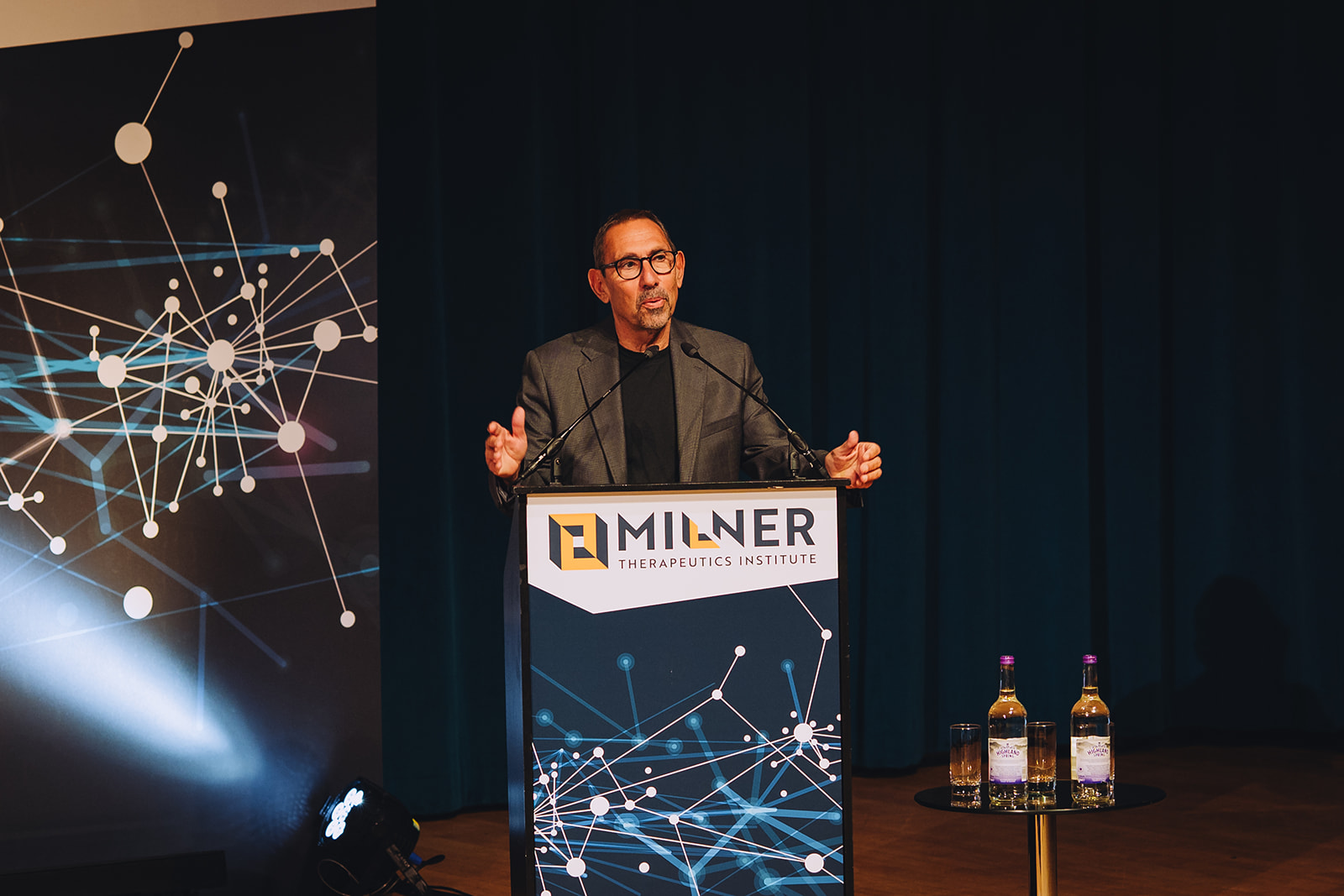
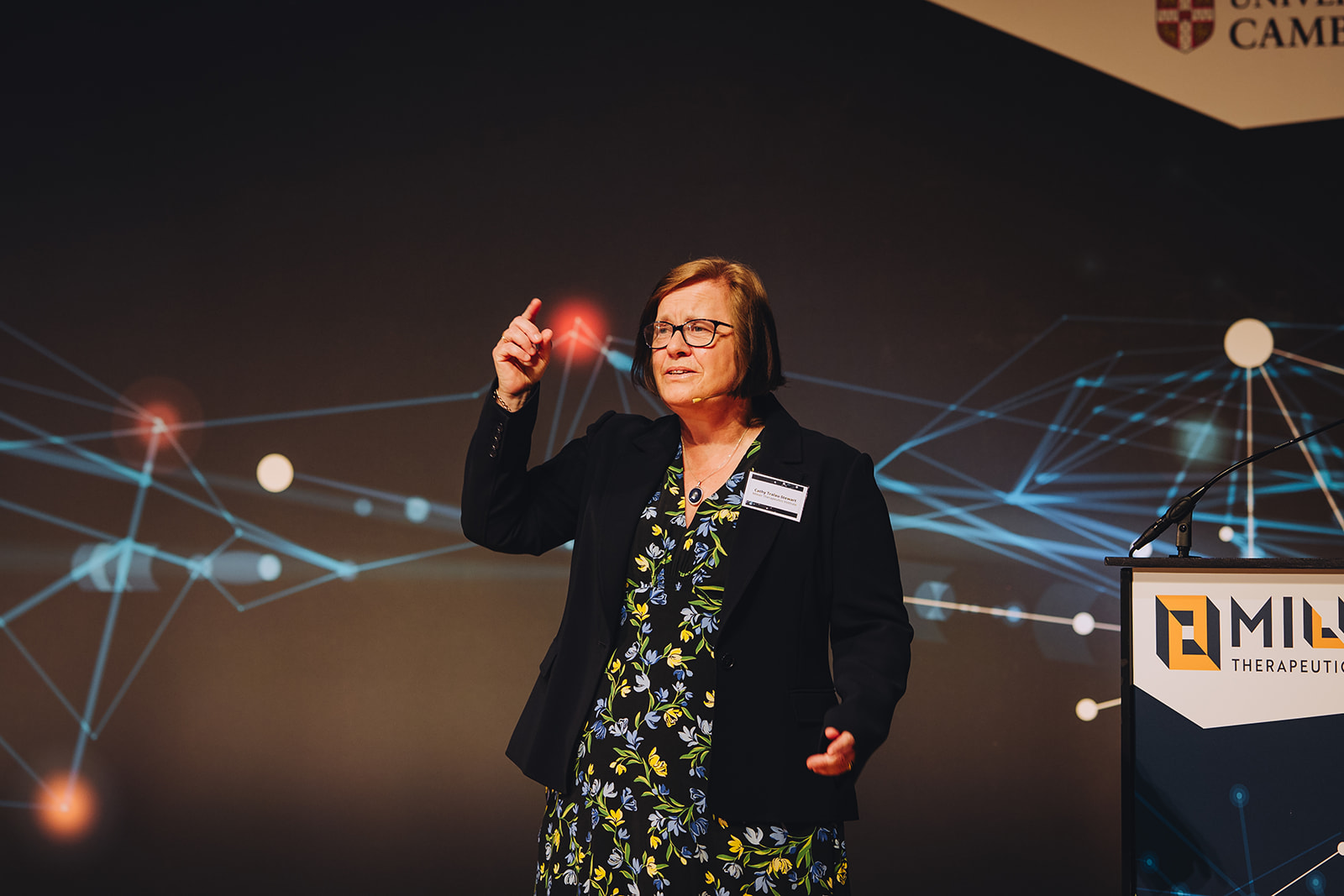
Milner Director Sir Tony Kouzarides welcomed delegates to West Road Concert Hall, before Executive Director Professor Cathy Tralau-Stewart highlighted the Institute’s continued growth, announcing three new Academic Partner Institutes – the University of Edinburgh, the University of Glasgow and The University of Manchester – further strengthening the Institute’s collaborative network. She also reminded delegates that, despite remarkable scientific progress, 95% of diseases still have no approved treatment, reinforcing the significant opportunities for the sector and the need for continued partnership across academia, industry and investors.
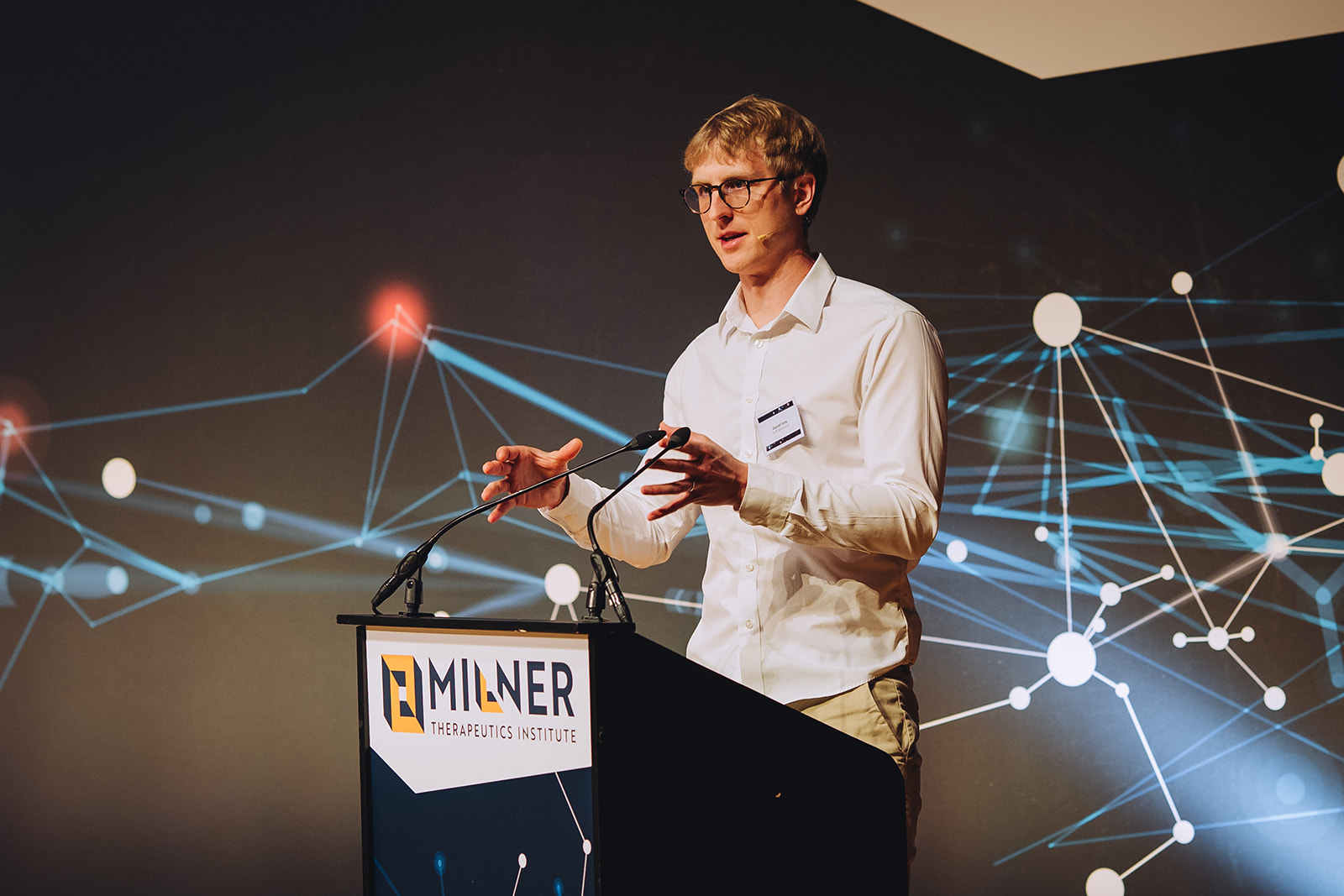
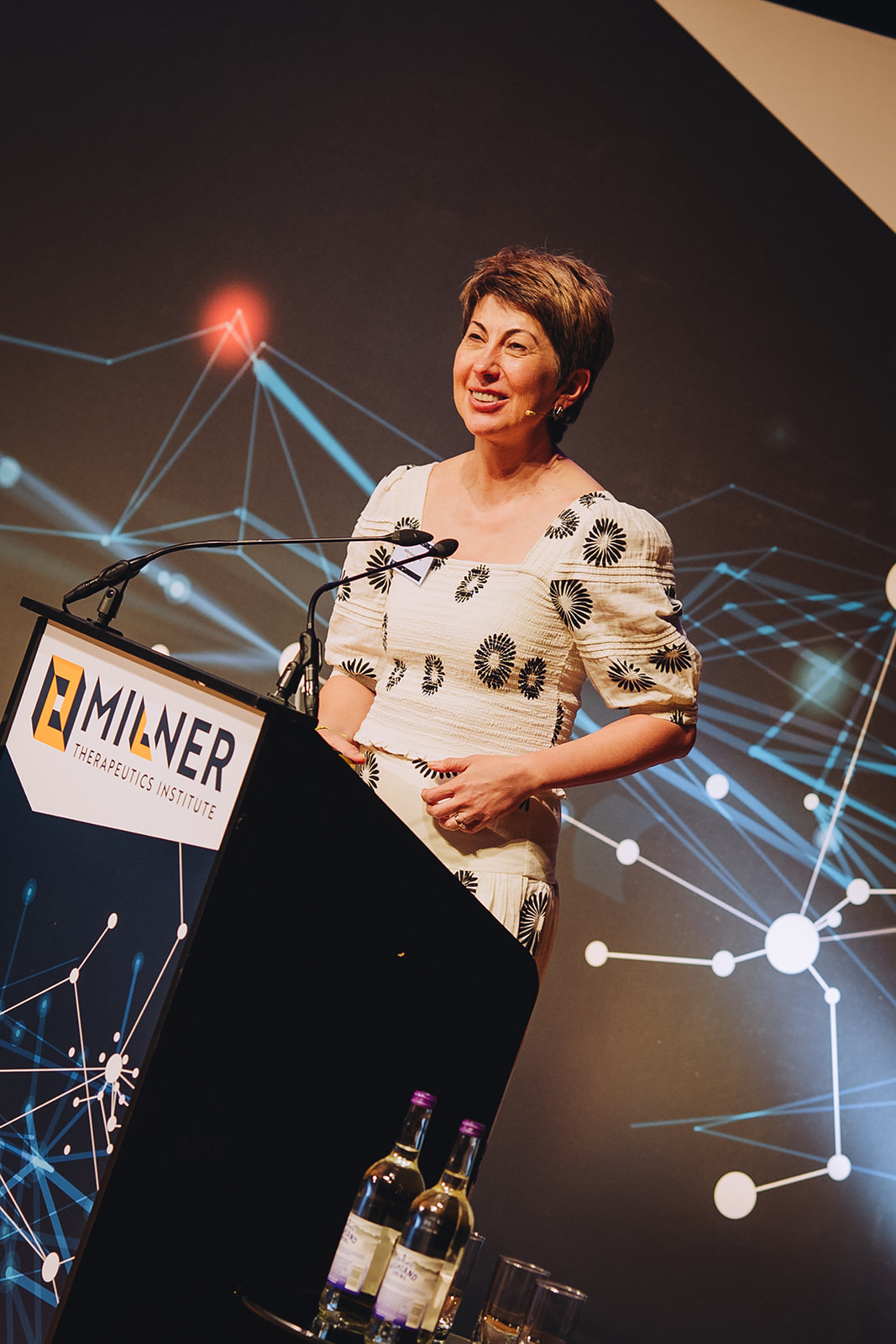
Spotlight Talks featured start-ups from within the Milner Bio-incubator, in a session chaired by Kathryn Chapman (Innovate Cambridge). Daniel Ives (Shift Bioscience) discussed the development of a single-cell ageing clock and virtual cell model designed to reverse cellular ageing as a potential treatment for age-related diseases. Mihriban Tuna presented Immutrin‘s novel approach to developing a best-in-class depleter antibody to reverse cardiac amyloidosis, and Louwai Muhammed (CoSyne Therapeutics) highlighted the potential of AI to investigate around 11,500 existing medicines, accelerating the repurposing of promising therapies to new and important indications.
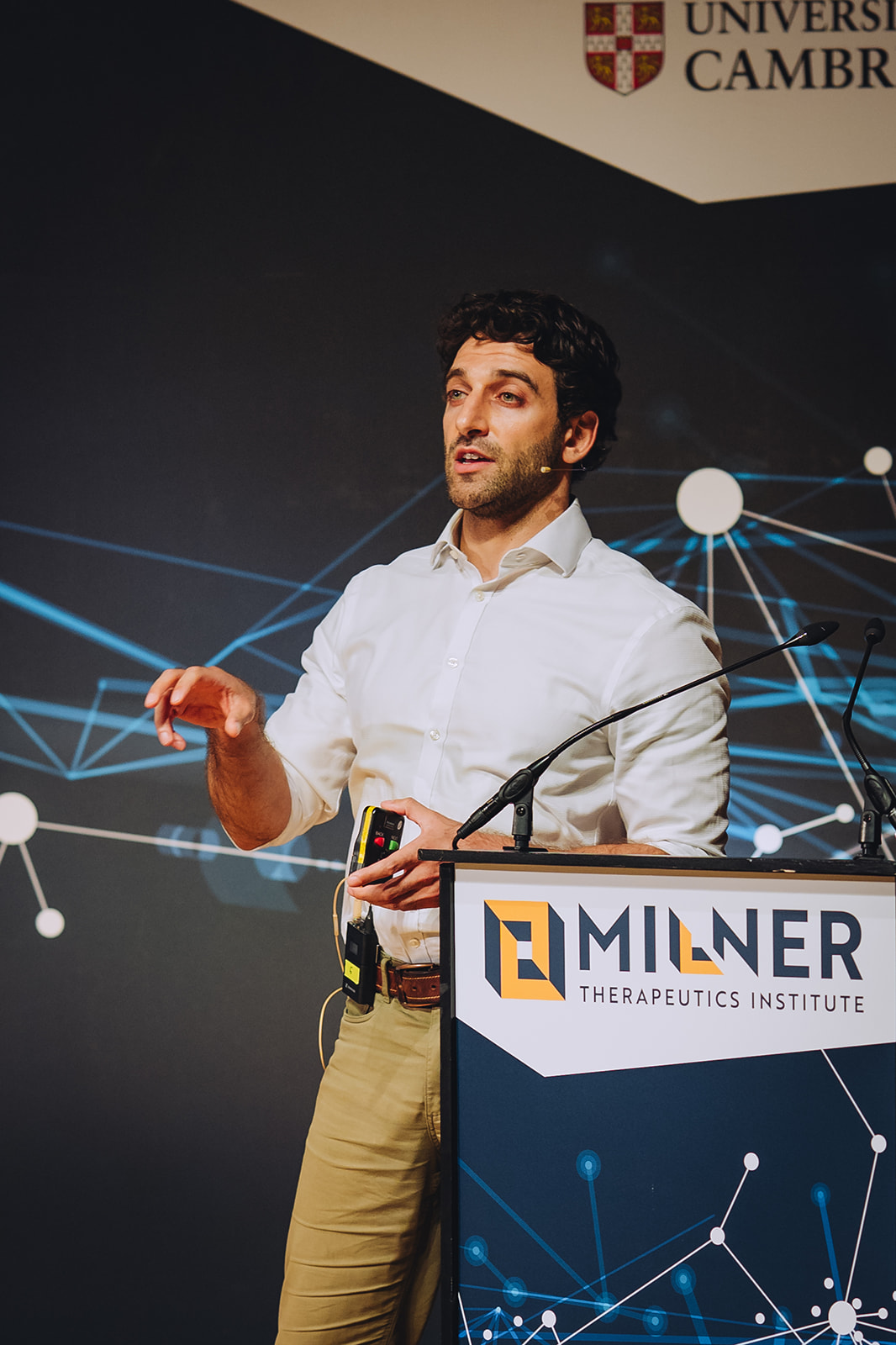
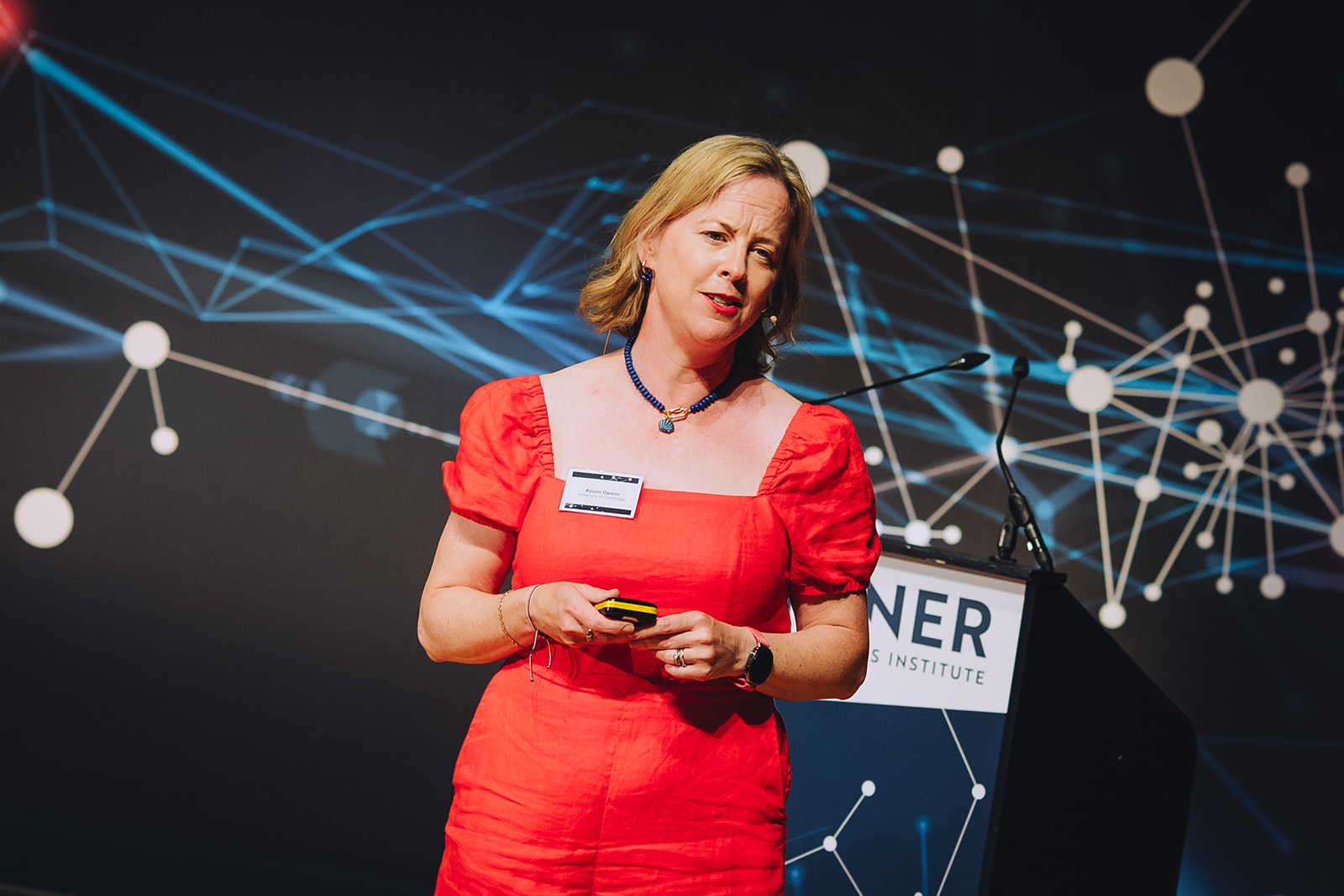
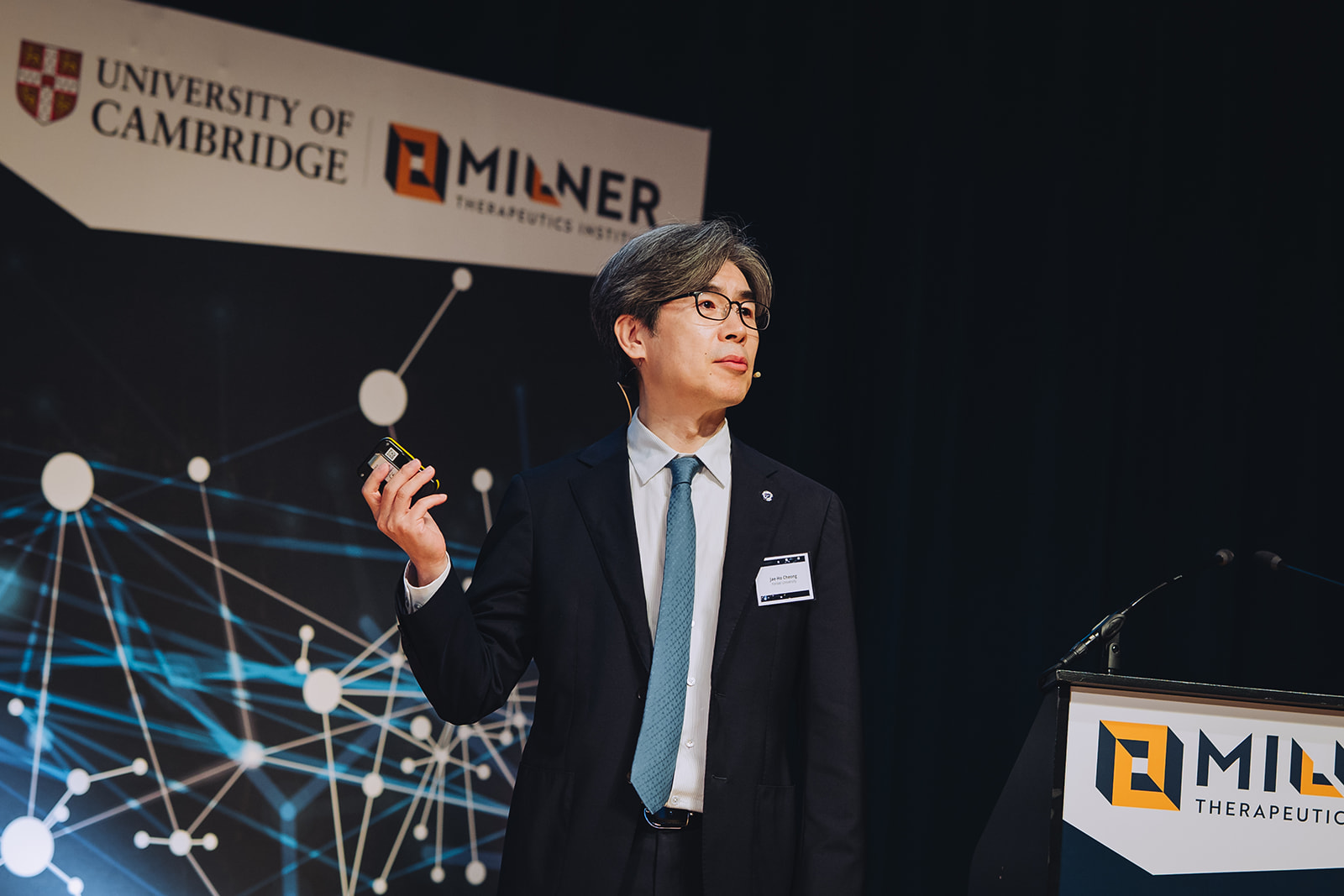
The plenary session, chaired by Karen Godbold (Pfizer), examined cutting-edge technologies shaping the future of drug discovery. Professor Róisín Owens (University of Cambridge) highlighted advances in using electrical signals to interrogate complex models of the microbiome-gut-brain axis in inflammatory bowel disease. Professor Jae-Ho Cheong (Yonsei University College of Medicine) explored how quantum technologies could revolutionise drug discovery for more sustainable healthcare. His presentation also reflected the Institute’s growing collaboration with Yonsei University to advance research and academic exchange in quantum technologies. Morten Søgaard (Astellas Innovation Lab) discussed the strategic importance of external partnerships in expanding Astellas’ pipeline beyond oncology and cell therapies into emerging technologies and new therapeutic modalities.
Shaping the future of translational science
The afternoon session focused on the wider translational ecosystem. Talks from Chas Bountra (BPGbio, formerly Pro-Vice Chancellor for Innovation at the University of Oxford), Hamish Ryder (Cancer Research Horizons), Professor Ottoline Leyser (University of Cambridge), Barbara Domayne-Hayman (The Francis Crick Institute) and Junaid Bajwa (Flagship Pioneering) explored topics ranging from rare diseases and technology transfer to systems biology, data science and scientific entrepreneurship. The day concluded with a thought-provoking panel discussion exploring the changes in mindset and approach needed to drive innovation and shape the future of translational science across the life sciences ecosystem. The discussion focused on how these changes can accelerate breakthroughs and deliver more treatments to patients, before delegates were invited to continue conversations during the busy networking reception.
Networking at Trinity College
The Symposium celebrations continued into the evening as representatives from the Milner Therapeutics Consortium companies, affiliates, partners, collaborators and academic colleagues gathered for the Symposium Dinner at Trinity College Cambridge. Guests enjoyed a recital by Dr Cédric Ghevaert, CEO of Milner bio-incubator company New Platelet Company, who played the historic organ in the college Chapel ahead of dinner in the Great Hall. The evening provided an opportunity to strengthen existing relationships, forge new connections and continue discussions from the Symposium in one of Cambridge’s most iconic settings.
We would like to thank all of this year’s speakers, chairs, exhibitors and delegates for making the 2026 Pitch Day and Symposium another successful celebration of collaborative translational science. Special thanks to our Symposium sponsors: Kadans Science Partner, EditCo Bio, Collaborative Drug Discovery, Epitopea, J A Kemp and Mathys & Squire.

Breakthrough medicines don’t happen in isolation. They come from scientists, entrepreneurs, pharmaceutical companies and investors working together to solve problems. That collaborative spirit is at the heart of the Milner Therapeutics Institute, and it’s exactly what these two events are designed to foster.
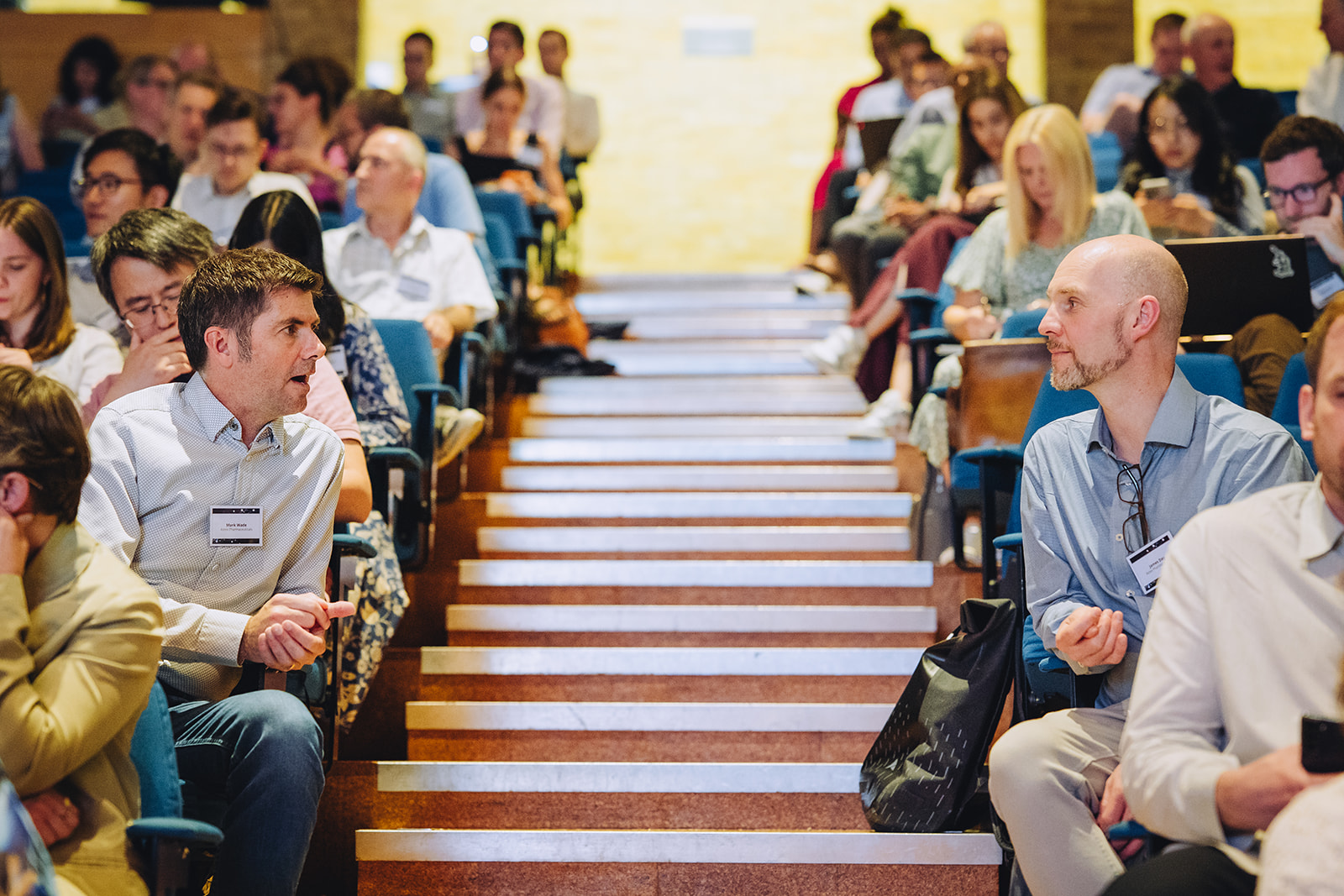
One of the defining features of the Milner community is the opportunity to connect people who might not otherwise meet. Bringing together our Consortium partners, academics, start-ups, investors and research translation organisations creates an environment where ideas can be challenged, partnerships can flourish and the next generation of therapies can begin their journey towards the clinic.
