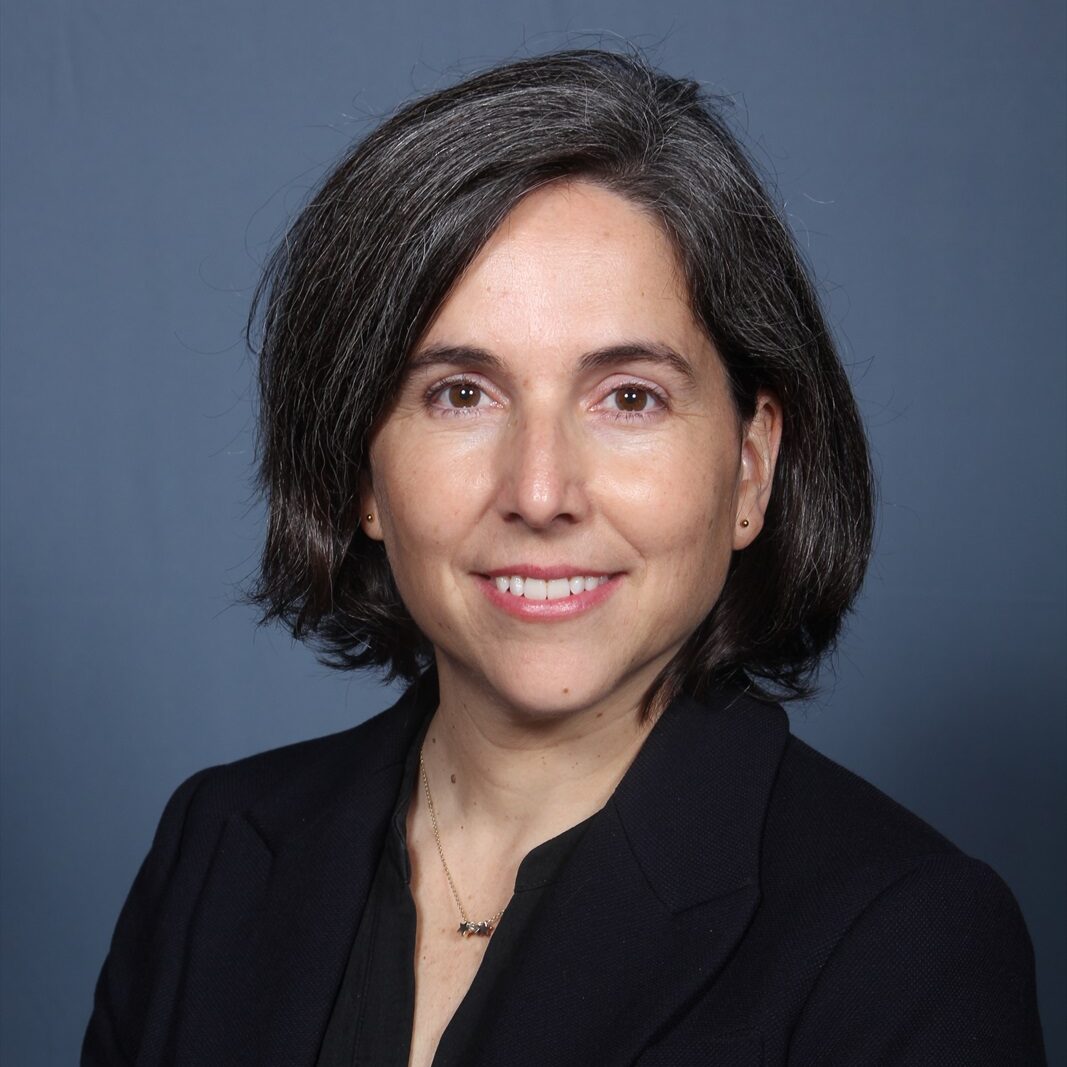
For those discovering Vector Bioscience Cambridge for the first time, could you introduce yourself and explain what the company is building?
I’m Lluna, CEO and Co-Founder of Vector Bioscience Cambridge. My background is in international business management, and together with Professor David Fairen-Jimenez, I co-founded Vector to translate world-leading materials science into technologies that can improve how medicines are delivered.
Vector is a University of Cambridge spinout developing modular solutions for targeted and controlled release of macromolecules, small molecules, and combination therapies. Our technology is cargo- and disease-agnostic, allowing us to support a wide range of therapeutic modalities.
Today, we are advancing our lead development programme while working with pharmaceutical partners to solve drug delivery challenges in oncology.
What convinced you that Vector’s research was ready to move beyond the laboratory and become a commercial company?
The research background developed over 15+ years at Cambridge had demonstrated that the underlying materials could be engineered with remarkable precision, giving us a level of control that could be applied across multiple therapeutic modalities and indications.
Once the intellectual property was protected, we saw an opportunity to build something bigger. Rather than licensing the technology, we founded Vector to maximise its impact. We are committed to taking it beyond the laboratory, working with pharmaceutical partners and advancing therapies that can make a real difference for patients.
Drug delivery remains a major challenge for many promising medicines. What problem is Vector’s technology designed to solve, and what makes its approach different?
Many promising medicines fail not because of the therapeutic itself, but because of issues related to drug delivery formulation, biological challenges, stability and bioavailability, all in all limiting their therapeutic index. Vector’s patented technology addresses these by combining targeted delivery with controlled release, enabling higher payloads, encapsulation of both small and large molecules, and combination therapies. The result is the potential for more effective treatments with fewer side effects and longer-lasting therapeutic benefit from a single, modular platform.
Vector’s platform has the potential to support several therapeutic areas. How have you decided where to focus first, while balancing the wider possibilities of the technology?
We are pursuing a dual strategy. Internally, our focus is on targeted delivery of macromolecules, with a clear roadmap towards an IND submission for our lead programme. At the same time, we are partnering with pharmaceutical companies to apply different features of our technology to their challenges. This approach generates commercial traction, accelerates technical development, extends our runway, and creates opportunities across multiple therapeutic areas while keeping our internal pipeline firmly focused.
What have you learned about translating a highly technical scientific platform into a clear proposition for investors, pharmaceutical partners and patients?
We’ve learned that science, technology and data only create value when they are framed around the impact they can have on society, whether for patients, pharmaceutical companies or investors. The challenge is to identify where the science can solve a genuine unmet need and translate it into a practical solution with a clear route to implementation.
This translation from data into impact is an art and a team effort. It requires bringing together expertise from science, business, regulation and industry to continually challenge the proposition and ensure the technology delivers meaningful real-world impact. As CEO, playing a part in this journey, helping transform breakthrough science into products that can ultimately benefit patients, is what motivates me most.
As CEO and Co-Founder, what has been the biggest leadership challenge you have faced as the company has grown, and how have you adapted?
One of the biggest leadership challenges has been recognising that the role of a CEO is constantly evolving. What worked when we were a team of three no longer works as the company grows, raising investment, building pharmaceutical partnerships and advancing towards the clinic. Growing and reinventing myself at every stage is part of the job.
Another key challenge has been building the right team. Translating a platform technology into therapeutic products requires expertise that spans materials science, preclinical development, CMC, toxicology, regulatory affairs, legal and business development. It is something I am actively focused on today: bringing together people who are not only experts in their field but who are curious and driven to take a technology all the way from the laboratory to the clinic.
What have you found most valuable about being part of the Founders Growth Community, and what advice would you give to other founders commercialising complex science?
The Founders Growth Community has been instrumental in opening doors. It has created opportunities to connect with key stakeholders through introductions, networking events and pitching opportunities, helping us engage with pharmaceutical companies, investors and the wider innovation ecosystem.
For a young company, access is often the biggest challenges. Having a community that actively creates those opportunities and brings the right people together can make a real difference.
What’s one thing people would be surprised to learn about you?
Learning is what gives purpose to life and to what I do at Vector. A few years ago, I started training in a martial art that blends physical training, rhythm and community. It is a daily reminder that there is always something new to learn, regardless of your experience, of the need of the present time, and it provides the perfect physical and mental balance for building a company.
Thinking back, what’s the earliest sign you had an entrepreneurial streak?
Looking back, it started as a teenager. I was always curious about new cultures and ways of thinking, which led me to study and later live and work in six different countries. Those experiences naturally drew me towards international business, where I learned to understand different markets, build relationships and spot opportunities. In many ways, those are the same skills I use today to grow Vector: understanding the landscape, bringing together the right people and building a clear path to turn great science into real-world impact.