

CONSORTIUM PROJECTS & CASE STUDIES
The Therapeutics Consortium agreement enables collaborative research between Consortium companies and academics across Cambridge. The projects are broad in remit and can include access to compounds, datasets or know-how in a particular technique. In some cases, an industry scientist has come to work in the academic’s lab, and in others an academic post has been funded specifically for the project. The emphasis in all our collaborations is on mutual sharing of expertise. Please contact us if you are interested in finding out more.
AT A GLANCE
projects
across 17 departments and institutes
million pounds invested by industry partners
180 research proposals received
RECENT PROJECTS
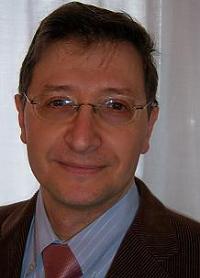 Academic collaborator: Pietro Lio
Department of Computer Science and Technology, University of Cambridge
Industry Collaborator: Astex Pharmaceuticals
Project: Integrated interrogation of imaging and multiomics data in Parkinson’s disease using machine learning
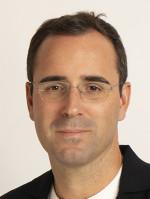 Academic collaborator: Goncalo Bernardes
Yusuf Hamied Department of Chemistry, University of Cambridge
Industry Collaborator: AstraZeneca
Project: Small molecule RNA degraders in human diseases
 Academic collaborator: Marko Hyvonen
Department of Biochemistry, University of Cambridge
Industry Collaborator: AstraZeneca
Project: Muscle homeostasis: developing leads for novel inhibitors against activin A
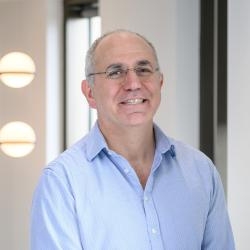 Academic collaborator: Andres Floto
Department of Medicine, University of Cambridge
Industry Collaborator: Shionogi
Project: The role of Pseudomonas aeruginosa in pulmonary inflammation and microbiome dynamics of Cystic Fibrosis patients
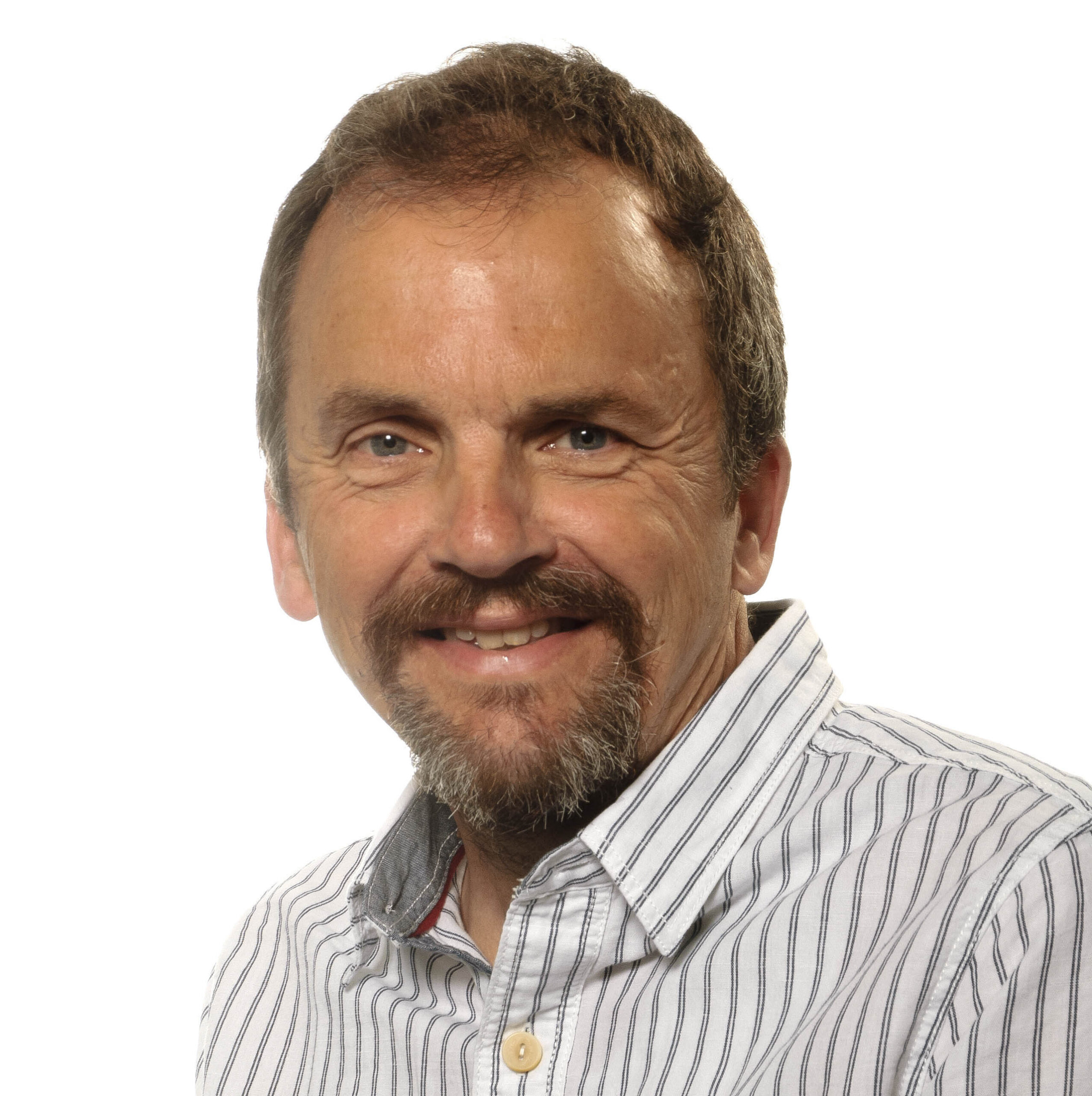 Academic collaborators: Susana Ros & Kevin Brindle
CRUK Cambridge Institute, University of Cambridge
Industry Collaborator: AstraZeneca
Project: Metabolic imaging to identify drug combinations that overcome drug resistance (Oncology)
 Academic collaborator: David Belin
Department of Psychology, University of Cambridge
Industry Collaborator: Shionogi
Project: Towards the identification of novel biobehavioural markers related to addiction

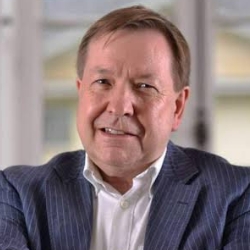 Academic collaborators:
Trevor Robbins & Amy Milton
Department of Psychology, University of Cambridge
Industry Collaborator: Shionogi
Project: Targeting the dopamine receptor in cognition, motivation and effort relevant to ADHD, depression and schizophrenia

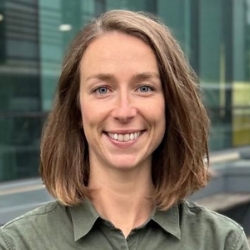 Academic collaborators:
Christoph Hess & Joy Edwards Hicks
CITIID & Department of Medicine, University of Cambridge
Industry Collaborator: GSK
Project: The role of lipid metabolism in mitochondrial and interlinked T cell (dys)function
Ac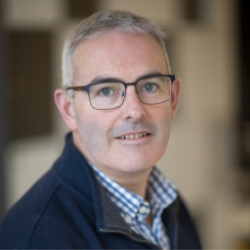 ademic collaborator: Daniel Hodson
Cambridge Stem Cell Institute, University of Cambridge
Industry Collaborator: GSK
Project: Functional genomics in human germinal centre B cells to reveal the impact of genetic polymorphism in immune disease
Academic collaborator: Jonathan Nitschke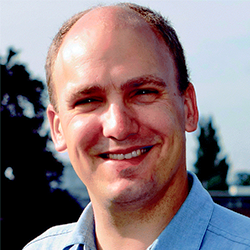
Yusuf Hamied Dept of Chemistry, University of Cambridge
Industry Collaborator: Astex Pharmaceuticals
Project: Protein cage synthesis for improved cryoEM (Chemistry)
 Academic collaborator: Mathew Garnett
Wellcome Sanger Institute
Industry Collaborator: Astex Pharmaceuticals
Project: Use of saturation gene editing to identify new druggable protein domains (Oncology)
Academic collaborator: Roser Vento-Tormo
Wellcome Sanger Institute
Industry Collaborator: Ferring
Project: Improving endometrial in-vitro models by incorporating immune cells into co-cultures
CASE STUDIES
Shionogi Pharmaceuticals joined the Milner Therapeutics Consortium in 2016 and has been involved in five academic–industry collaborations to date.
For a company based in Japan, enabling scientists to visit and work with Cambridge academics is a key benefit, and Martin Welch (Department of Biochemistry) has collaborated with Shionogi in this way on a project centred around infectious disease. “This has been a brilliant project and it was great to have a postdoc from Shionogi visiting the lab. They contributed substantially to the project and the lab,” Martin commented.
Angela Roberts (Department of PDN) and Trevor Robbins (Department of Psychology), experts in networks of the frontal lobes and basal ganglia involved in cognition and behaviour, initiated collaborations with Shionogi to test novel and first-inclass compounds on specific models of cognition and behaviour. A Shionogi scientist worked in the Robbins lab, and this has fostered a longer-term working relationship. This project was extended in 2019 and the Shionogi scientist — now a team leader in Japan — is initiating a new project with Trevor Robbins and Amy Milton looking at the impact of specific drugs on cognition and behaviour.
This exchange of scientists is not just one way: a Shionogi iCASE studentship with David Belin (Department of Psychology) focused on biobehavioural markers of addiction will see a PhD student from the Belin lab visiting Shionogi in Japan later this year. Enabling Shionogi scientists to experience the culture in Cambridge and vice versa brings substantial value, breaking down barriers between academia and industry.
As a research-intensive pharmaceutical company, we believe that academic collaborations and partnerships are critical in discovering innovative medicines that ultimately benefit patients. Via the Milner Therapeutics Consortium, we have developed a number of research collaborations in Cambridge, which already delivered valuable outcomes for both parties. We would like to further expand and deepen our activities in Cambridge as a partner of choice for future collaborations. – Ryuichi Kiyama, SVP, Head of Pharmaceutical Research Division
NEUROSCIENCE: Autophagy targets in neurodegeneration
Autophagy is a major protein and organelle recycling and degradation pathway and is increasingly being targeted as a therapeutic strategy in neurodegeneration. But the development of clinically viable modulators of autophagy requires better understanding of target relevance across mechanistic and disease models. This project aims to tackle this, drawing on the combined experience of an academic-industry team to assess a number of targets in complementary compound and genetic screening assays and neuronal disease models, to uncover robust targets for prioritization. Arising from an industry-led workshop that brought together key academic and industry opinion leaders within the Milner Therapeutics Consortium, this project includes Eisai, Astex and Eli Lilly and Company and academic teams from three institutes across Cambridge – John Skidmore’s team at the ALBORADA Drug Discovery Institute, Nicholas Ktistakis’s group at the Babraham Institute and Alex Whitworth’s group at the MRC Mitochondrial Biology Unit – each of whom have complementary expertise in autophagy mechanisms and models. Read more here.

Metabolic imaging to identify drug combinations that have the potential to overcome drug resistance
This Milner Consortium project with Kevin Brindle (CRUK Cambridge Institute) and AstraZeneca combined a novel metabolic imaging technique developed in the lab with advanced patient-derived breast cancer models from Cambridge University Hospitals and the oncology drug development expertise of the AstraZeneca team. Building on previous studies on a PI3K inhibitor by Susana Ros in the Brindle group, the study enabled identification of a potential new drug combination that may overcome PI3K α inhibitor resistance.
Metabolic MR imaging in patient-derived pre-clinical mouse models of breast cancer was used to assess engagement of a drug with its target and how a tumour is responding to drug treatment. The results revealed a drug combination that showed better efficacy than PI3K α inhibition alone and provided mechanistic insights into why it was better.
This has informed design of a new clinical trial beginning later this year with CUH and AstraZeneca for combinational drug treatments in ER+ breast cancer. Excitingly, this is the first time that this imaging technique has been used together with an investigational drug candidate. The technique may enable assessment within one week of whether a patient is responding to the drug candidate and could in the longer term enable personalisation of the drug combination and administration protocol for individual cancer patients.
An important element to the success of this project was that it built on an existing working relationship with the AstraZeneca team, so the team had built strong trust and could work together effectively. The AstraZeneca team brought extensive expertise, including access to and know-how around compounds, but also key experience around trial design. “AstraZeneca provided us with a deep understanding of targeting the PI3K-AKT pathway and have provided us with the opportunity to test our new imaging technique in what we think will be one of its most important applications, the early detection of response to a novel drug. This same technique could be used subsequently in the clinic to guide treatment in individual patients.” says Kevin Brindle.
Andres Floto, Victor Phillip Dahdaleh Heart and Lung Research Institute
The role of Pseudomonas aeruginosa in pulmonary inflammation and microbiome dynamics of Cystic Fibrosis patients (SHIONOGI)
Pseudomonas is a major cause of fatal lung infections in patients with cystic fibrosis and key questions remain about how these affect the lung microbiome and lung inflammatory signalling. Clinician scientist Andres Floto and Royal Papworth NHS Trust has been working with SHIONOGI to interrogate the bacterial co-infection mechanisms that are contributing to these chronic pathologies. This study utilized cystic fibrosis patient samples from clinical studies conducted at the Royal Papworth NHS Trust, part of Cambridge University Hospitals, to analyse how fluctuations in P. aeruginosa infections in the lung of CF patients correlate with pulmonary symptoms, and how this also relates to changes in the lung microbiome. The partnership with SHIONOGI brought extensive expertise from internal research programmes around chronic bacterial co-infections, and also benefited from complementary analysis of a mouse model of chronic lung infection that mimics CF acute exacerbation.