Ecosystem Insights: Alex Evans and Alberto Conti, Co-founders of Alceus Bio
Alex and Alberto met during their PhD studies in the Roychoudhuri lab, University of Cambridge, and were driven by a shared motivation to tackle scientific problems that had the potential to translate into improving treatment outcomes for patients. Both trained biochemists with experience in industry environments, they combined their complementary perspectives to carry out foundational work that eventually led to a spin-out company. Their efforts have led to key breakthroughs in cancer immunotherapy (now in press at a leading journal) and together with Professor Rahul Roychoudhuri, they co-founded Alceus Bio with the goal of translating cutting-edge science into tangible therapeutics to benefit patients.
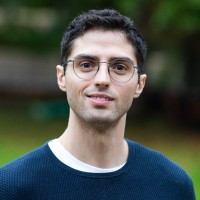
Alberto Conti
Co-Founder
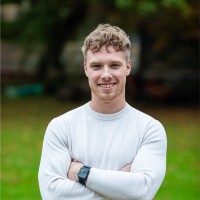
Alex Evans
Co-Founder
Tell us about Alceus Bio:
Alceus Bio was born out of the need to improve therapies against advanced-stage cancers. Immunotherapies have revolutionised cancer treatment but the number of patients who benefit from these therapies remains low and therapeutic resistance in responders is common. At Alceus, we’re working at the intersection of protein and immune engineering to develop new cell therapies that are longer lasting and capable of attacking cancer in new ways. With these approaches, we aim to make it exponentially more difficult for the cancer to evade our therapies, thereby creating effective and durable clinical outcomes. To date, we have achieved proof-of-concept in animal models and are now working to translate our approach to hard-to-treat solid cancers.
What challenges did you encounter moving from academic research toward entrepreneurship?
Acquiring the skills and knowledge needed to start and operate a biotech venture can feel (and still feels!) daunting, and our early involvement in programmes like Bio-spark and Nucleate UK was pivotal in getting us up to speed. These programmes provided practical guidance, and, most importantly, introduced us to many success stories: scientists-turned-founders who were building and growing impactful companies. Starting a company for the first time is a true test of strength and commitment, and finding mentorship and reference points in other founders has been an invaluable source of resilience.
What advice would you share with researchers wanting to build a start-up?
The Cambridge biotech ecosystem has been crucial in supporting our transition from academia to entrepreneurship. Many new initiatives appeared during our PhDs, which were excellent ways build a network of peers pursuing entrepreneurship and translation of their research. Programmes like Bio-spark and Nucleate’s Activator offer access to experts and mentors from the wider academic, biotech and pharma communities, which has been hugely valuable for us in starting Alceus and navigating the spin-out process.
Bio-spark is an ideal starting point for anyone considering starting a company or curious about working in biotech – it is a safe space to test key assumptions and understand what the journey from academia to entrepreneurship involves. It is a process that can feel daunting and even frustrating, but it is also extremely rewarding and will lead you to learn a lot about biotech and venture creation irrespective of whether you decide to spin out a company from your current research. You never know where it may lead, so it’s always worth trying it out!
We feel there is work to do in fully embracing early-stage, founder-led companies, something that is more commonplace and widely encouraged in the US. Creating a culture and support system that encourages scientists to take the leap as first-time founders could help unlock a new wave of innovative biotech ventures in Cambridge.
What’s the best thing about starting a company in Cambridge?
Cambridge is full of ambitious people working on exciting ideas to change the world. Anywhere in the city, you’re likely a stone’s throw away from researchers that have started multiple companies, Nobel laureates working at the bleeding edge of human knowledge, or driven entrepreneurs with experience covering all aspects of venture creation. That ambition is contagious. Starting a company becomes substantially less scary when you’re surrounded by people who have been on that journey multiple times and when you have world-leading scientists on your doorstep to advise and assist. That’s something that makes Cambridge unique, and I’d encourage anyone starting their entrepreneurship journey to make the most out of that!